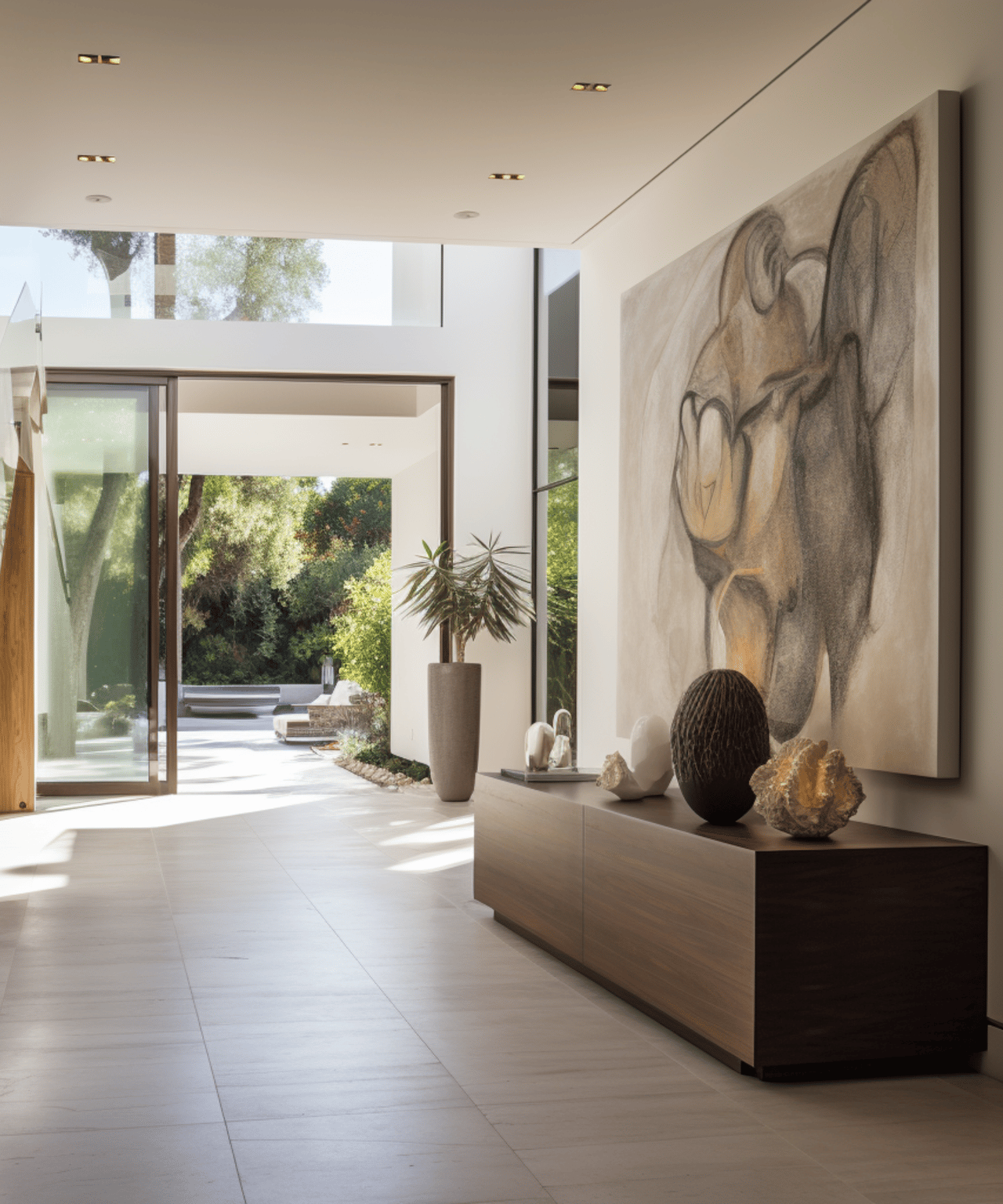
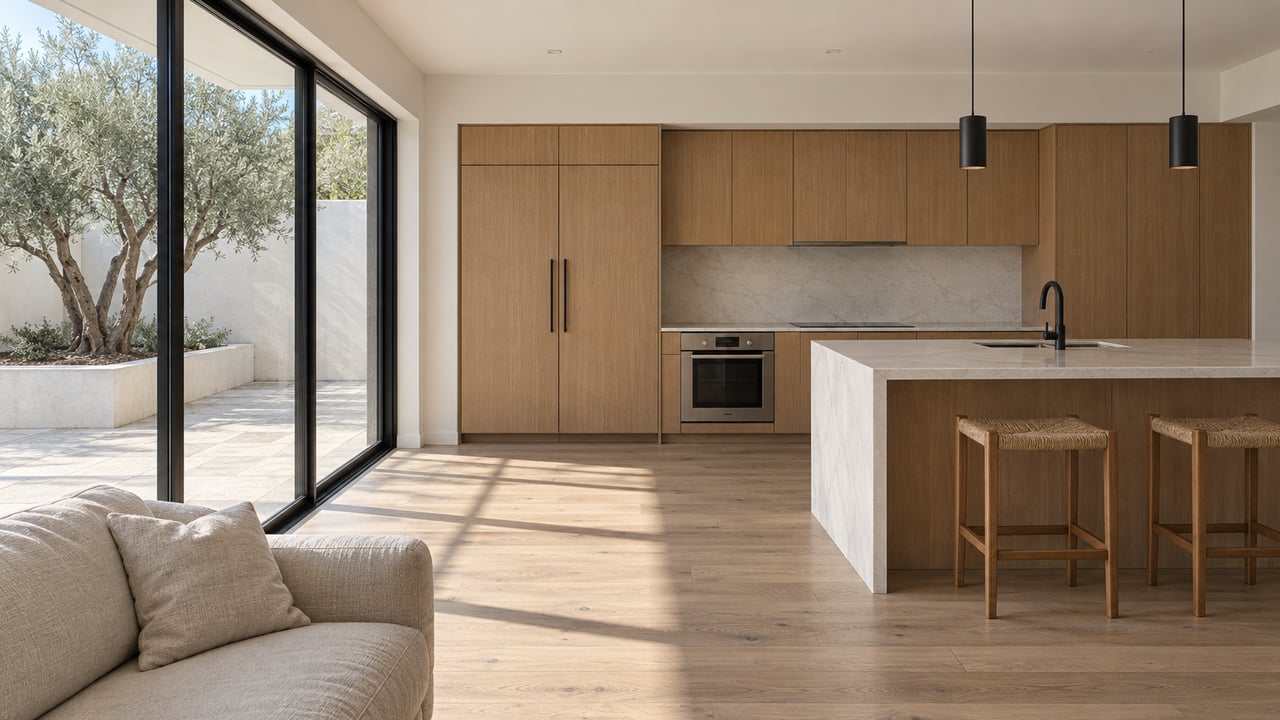
Picture two rebuilt houses on the same Pacific Palisades street, each selling for $7 million. If Los Angeles voters approve Proposition TE on November 3, the owner who held the first property on January 7, 2025 pays no Measure ULA tax on that sale. A builder who bought the second lot in the 2025 fire-sale market and sells it after the rebuild owes 4% of the full price, which comes to $280,000. The houses, the street and the price are identical. The only difference is the name on the deed on the morning the fire started.
The measure was written with that difference on purpose, and it sets how the exemption affects prices in the burn area. The break stays with a specific owner, can be used once, and is gone after the first qualifying sale. Pricing a fire-affected property in the City of Los Angeles now starts with one question about who owned it on the day of the fire.
The line item, in real numbers
Here is the current rule. For conveyances closing after June 30, 2026, the City of Los Angeles charges ULA at 4% on sales above $5.4 million and below $10.9 million, and at 5.5% at $10.9 million or more. That sits on top of the city's 0.45% base transfer tax. The Office of Finance applies the ULA rate to the whole consideration, so it is not a marginal tax on the dollars above the threshold. The thresholds move each year with the Chained Consumer Price Index.
| Sale price | ULA under current rules | Original Jan. 7, 2025 owner, if TE passes | Post-fire buyer reselling, if TE passes |
|---|---|---|---|
| $5,400,000 | $0 | $0 | $0 |
| $5,900,000 | $236,000 | $0 | $236,000 |
| $6,600,000 | $264,000 | $0 | $264,000 |
| $7,000,000 | $280,000 | $0 | $280,000 |
| $11,000,000 | $605,000 | $0 | $605,000 |
The base tax applies in every row no matter what. Because ULA hits the full price, a sale one dollar above $5.4 million owes about $216,000 more than a sale at exactly $5.4 million. A UCLA Anderson working paper dated July 2025 found 47% more transactions in the last price bin below the original $5 million threshold, which suggests buyers and sellers have been working around that cliff since the tax began. For an original Palisades owner, Proposition TE would remove the cliff entirely for one sale.
What the ordinance actually asks for
The measure adds Section 21.9.17 to the Los Angeles Municipal Code. According to the text printed in the City Clerk's November 2026 voter pamphlet, a conveyance is exempt when all of the following are true:
- The property is residential, sits within the City of Los Angeles, and was damaged or destroyed by the Palisades Fire in January 2025.
- The Department of Building and Safety has verified the damage or destruction.
- The seller is the current owner.
- The seller also owned the property on January 7, 2025.
- The property has not already used this exemption.
- The property is not already exempt under another part of the ULA ordinance.
"Damaged" follows LAMC Section 16.03. Under that standard, structural strength or stability falls appreciably below its pre-disaster condition and below code minimums, and repairs cost more than 50% of replacement cost, a comparison that leaves out the value of the foundation system. The window runs from January 7, 2025 through January 6, 2030.
The text includes no primary-residence test, no occupancy requirement, and no rule that the owner be an individual. Conditions three and four simply ask whether the same owner held the property before and after the fire. The pamphlet's argument in favor says the measure covers residential properties "including multi-family buildings." The property also has to be inside city limits. A home burned by the same fire outside the City of Los Angeles gets nothing from this measure.
Why the median lot never meets the tax
Most of the burned-lot market falls under the threshold already. As of October 2026, recent Palisades lot sales have a median of about $1.8 million and average about $270 per square foot of land, according to MLS-based market data published this month. Lot values have stayed in roughly that range for about a year and are 30% to 50% below pre-fire levels, depending on location.
At $270 a square foot, a vacant lot would need about 20,000 square feet of land to reach $5.4 million. Individual sales still run from about $50 to more than $500 per square foot, though, and at the top of that range a lot near 10,800 square feet gets there. That is where the high-end lot sales show up. The Real Deal reported three burned-lot sales above the threshold in 2026: 14948 Camarosa Drive for more than $7 million in March, 906 Glenhaven Drive for $6.6 million in February, and 15300 Antioch Street for $5.9 million in July.
The city's own estimate counts rebuilt houses alongside lots. The City Administrative Officer puts the revenue loss at $35 million to $66 million through January 2030. That estimate uses the average ULA paid per eligible Palisades sale, the number of rebuilt homes listed for sale as of July 2026, and post-fire vacant-parcel sales. The upper figure assumes transactions double. In practice, the exemption matters most when a finished home or a premium view lot clears $5.4 million and the seller is the original owner.
Who still holds the exemption, and who already lost it
Because the exemption stays with the owner, every completed sale takes another parcel out of the eligible pool for good. As of October 2026, about 700 of the roughly 4,200 properties where homes were destroyed have changed hands. Permit applications have been filed for about 1,850 properties, possibly including around 500 from owners who bought after the fire. That leaves about 2,200 original owners who have neither sold nor applied to rebuild.
Those groups face very different math under Proposition TE:
- Post-fire buyers who are rebuilding. If they eventually sell a rebuilt home above $5.4 million, they pay full ULA. The roughly 500 permits these owners have filed are future taxable sales at the high end.
- Original owners who rebuild and then sell. They keep the exemption, and it is worth the most to them, because a finished house is the likeliest kind of Palisades property to clear the threshold.
- Original owners who have not decided. About 2,200 of them can still sell with the exemption, but most lots trade below $5.4 million, so for many of them the break would never apply.
- Owners of damaged standing homes. About 750 standing homes had fire, smoke or water damage. If the Department of Building and Safety verifies the damage and the house sells above the threshold, the original owner's discount could be large.
Many of the early buyers were companies. In Q3 2025, entity buyers acquired 48 of 119 vacant-lot sales in ZIP 90272, according to Redfin data reported by LAist. Other counts put Q3 2025 at 147 lot sales, so the exact share depends on the dataset. Whatever the share, those buyers cannot pass the exemption to anyone.
The owner-based rule also shapes how a fire-date owner's own holding entity is treated. An LLC or trust that held title on January 7, 2025 meets the text as written. Councilmember Eunisses Hernandez argued for a narrower measure, telling colleagues, as LAist reported, that "any exemption should only be for homeowners whose primary residence was destroyed." The council put the measure on the ballot by a 13-1 vote on August 4.
The refund reaches back to January 2025
The exemption window starts on the day of the fire, not on Election Day. The Chief Legislative Analyst's impartial summary says the Director of Finance would be authorized to issue refunds on eligible claims for ULA paid before the measure takes effect. An original owner who sold a fire-damaged property above the threshold at any point since January 7, 2025 would be the kind of seller this provision covers, since the exemption is one-time and runs through January 6, 2030.
On the money involved, the LA Housing Department estimated in May 2026 that the measure could cut ULA revenue by up to 6%, or $32 million a year. Signers of the argument in favor include Mayor Karen Bass, Councilmember Traci Park, Council President Marqueece Harris-Dawson, Councilmember Monica Rodriguez, State Senator Ben Allen, Assemblymember Jacqui Irwin, and the Pacific Palisades Community Council. No argument against was submitted. The measure needs a simple majority.
ULA itself is staying either way
The vote decides one exemption. It does not decide the tax. California's Court of Appeal upheld ULA on December 15, 2025, Courthouse News reported. The Howard Jarvis Taxpayers Association pulled its statewide repeal initiative in June 2026 after a legislative deal, according to LAist. On July 1, the City Council shelved a separate ballot exemption for new apartment buildings. If Proposition TE fails, every Palisades sale above $5.4 million keeps paying the rates in the table. If it passes, the original owner's sale becomes the one sale in that parcel's history that skips the tax.
FAQ
Does Proposition TE change anything for a lot selling at the $1.8 million median? No. A sale at or below $5.4 million owes no ULA under current rules. Only the 0.45% base tax applies, and the measure does not change that.
Can a buyer who purchased a burned lot in 2025 use the exemption when reselling? Not under the text. The seller has to have owned the property on January 7, 2025, and each property gets the exemption only once.
Does it cover Palisades Fire damage outside the City of Los Angeles? No. The ordinance applies to residential property sold within the City of Los Angeles.
This is general information, not legal, tax or financial advice. Confirm how ULA and Proposition TE apply to your sale with a real estate attorney or tax professional.
If you held a fire-damaged Palisades property on January 7, 2025 and are weighing a sale, the deal has to be priced around who owns it and whether it crosses $5.4 million. Acquire'd Real Estate buys burned lots and damaged homes as-is, with cash and short closing timelines, and we'll walk you through the numbers on both sides of the threshold. Get a cash offer.